


Planning · Process · Delivery
The Corporate Event Photography Guide
How coverage actually gets planned, executed, and delivered. Written for the marketing lead who has to brief a photographer and defend the spend afterward.
This corporate event photography guide covers what happens before, during, and after the event. Whether you are hosting a national conference at a Los Angeles hotel, a leadership summit in Orange County, or a brand activation in San Diego, the way the program is documented shapes your marketing, your PR, and your ability to sell next year’s event.
Consequently the decisions that matter most get made weeks before anyone picks up a camera. Start with Corporate Event Photographer Los Angeles for services and current availability.
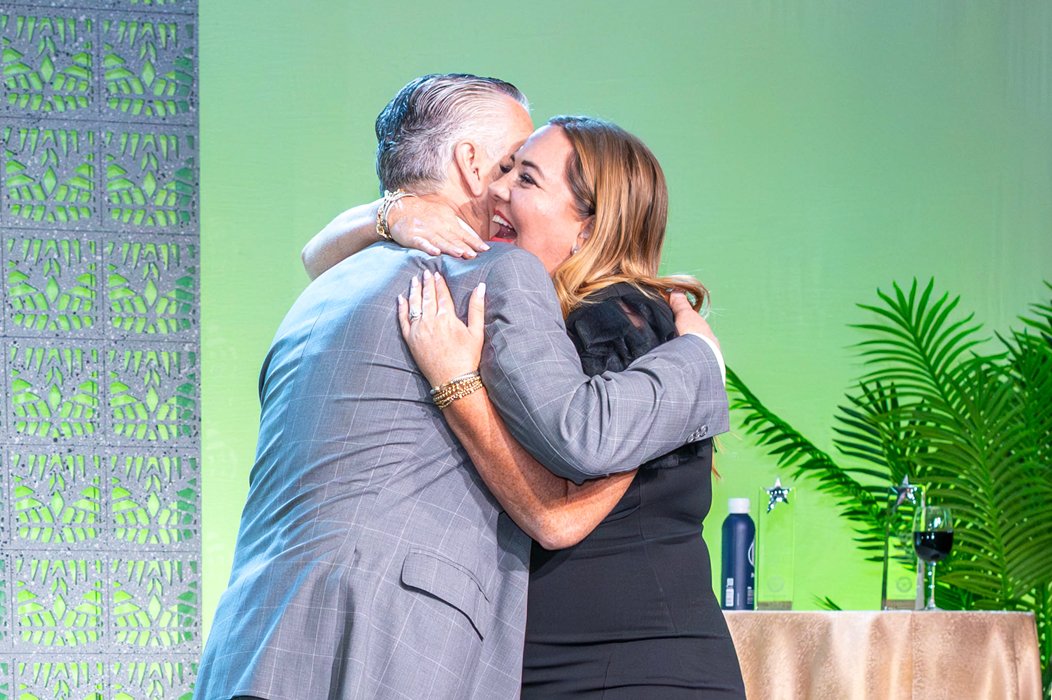
Recognition Moment · Southern California Program
The Case
Why Corporate Event Photography Earns Its Line Item
In an experience-driven market, corporate event photography is not a record of the day. It is the raw material for four separate channels over the following year.
Brand Credibility
Imagery that shows a company operating at a professional standard. Because prospects judge production quality before they read a word, the frames do work no copy can.
Marketing Collateral
Website, decks, paid social, and print all draw from the same gallery. Therefore a set shot with those crops in mind stretches considerably further than one shot for a recap album.
Employee and Stakeholder Engagement
Internal recaps show teams what leadership convened. Meanwhile people who attended want to find themselves in the gallery, which is a retention signal nobody budgets for.
Next Year’s Sell
Sponsors, attendees, and partners get recruited on evidence. Ultimately this is the longest-running use of the gallery, and it is the reason coverage gets planned rather than booked.
Program Types
What This Corporate Event Photography Guide Covers
Each program type in this corporate event photography guide carries a different brief. Consequently the crew size, the shot priorities, and the delivery window all change with it.
Symposiums
Panel discussions, keynote speakers, and academic or professional networking. The room listens rather than reacts, so the frames come from attention rather than applause.
Conferences and Summits
Thought leadership, audience engagement, and breakout sessions. Because concurrent tracks run simultaneously, one photographer will always miss something. See conference photography.
Company Celebrations
Awards, anniversaries, holiday parties, and product launches. Every honoree deserves the same frame quality, so recognition coverage runs to a list rather than to instinct. See gala photography.
Brand Activations
Experiential marketing and influencer engagements. The build gets shot clean before doors and again in use, because both versions serve different channels. See brand activation photography.
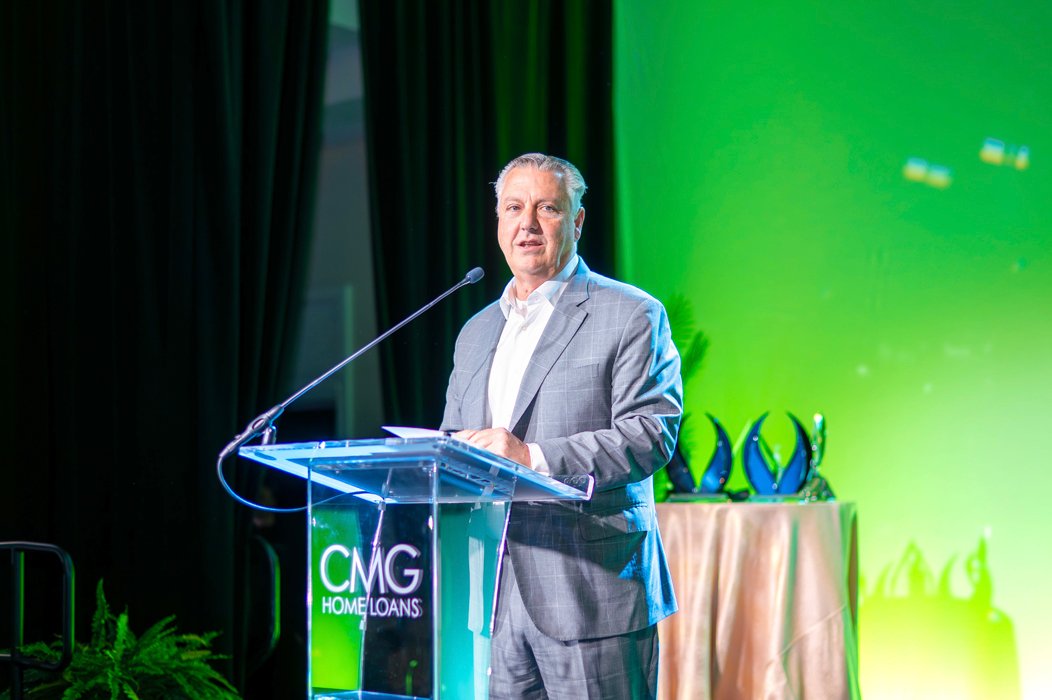
Presenter Coverage · Conference Program
Venue
Where the Corporate Event Photography Guide Meets the Room
Southern California holds some of the most requested corporate event space in the world. Meanwhile the venue sets the ceiling on what any photographer can deliver.
Ceiling height decides whether bounce flash is viable. Window walls introduce mixed daylight and tungsten that shifts across the day. Heavy colored stage wash, particularly red, is close to uncorrectable in post. Therefore venue selection is a photography decision as much as a catering one.
We have written the room-by-room detail elsewhere rather than repeating it here. Our Los Angeles corporate event venues guide covers twelve properties with a coverage profile for each, from the Convention Center and the Conrad through the Beverly Hilton and the Ritz-Carlton Laguna Niguel.
For properties across Orange County and San Diego, including Pelican Hill, Montage Laguna Beach, The Grand Del Mar, and Hotel del Coronado, see the Southern California venues guide. Additionally our regional coverage page covers where our crews are based.
Process
The Four Stages of a Corporate Event Photography Guide in Practice
A corporate event photography guide is only useful if it front-loads the work: coverage that arrives usable was decided before the event started. Consequently the first two stages matter more than the third.
Stage One
Pre-Event Consultation
We align on brand goals, downstream photo usage, and the shot list. Because social, press, and print each want different crops, deciding the use in advance changes how every frame gets taken. Our shot list template covers this segment by segment.
Stage Two
Crew Scoping
Attendee count drives crew size more than hours do. A 900-person conference with three concurrent tracks cannot be covered by one photographer regardless of how long they stay. Therefore the agenda decides the number before the quote goes out.
Stage Three
On-Site Execution
Photographers work discreetly while capturing the detail. Silent shutter in quiet sessions, no flash at the stage, and movement timed to transitions. Meanwhile one named point of contact makes decisions in the moment rather than a committee on an email thread.
Stage Four
Delivery
Edited highlights arrive within 24 hours for PR and social. Subsequently the complete high-resolution gallery follows within one week, with full commercial usage rights and no per-image licensing.
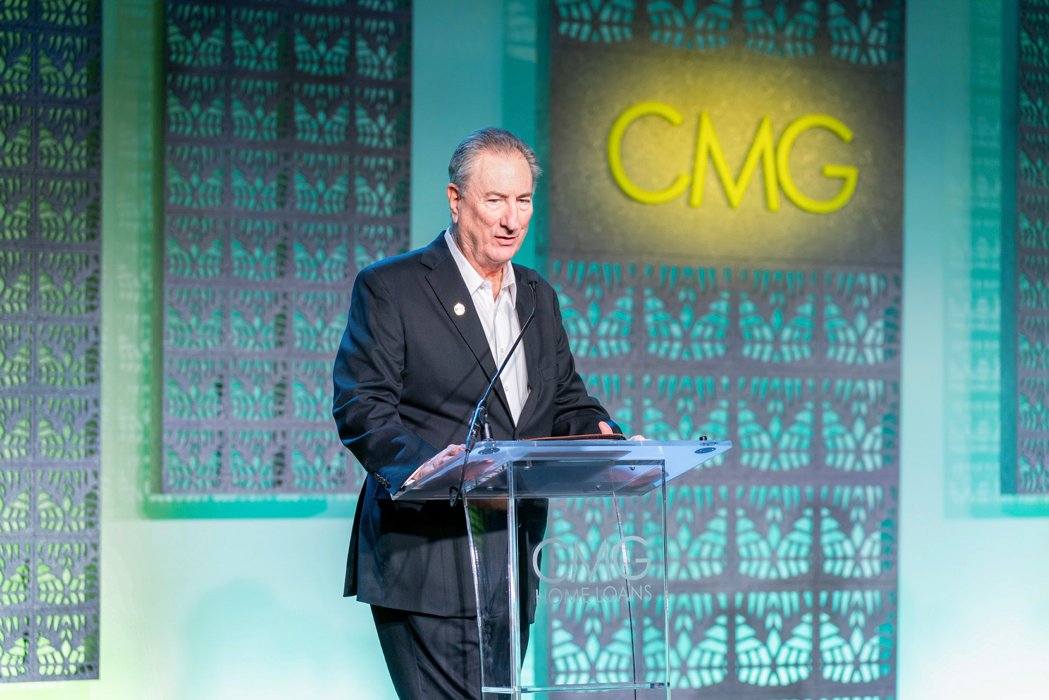
Reception Coverage · Corporate Program
What Coverage Costs
Photography is $245 per hour with a two-hour minimum. Meanwhile videography runs $345 per hour and an on-site headshot studio is $495 per day flat. There is no travel premium anywhere in Southern California, because our crews are local to the region.
We field seven photographers and five videographers, each a corporate specialist with a minimum of three years at the studio. Full breakdown sits on the pricing page. Industry planning standards are published by Meeting Professionals International.
Common Questions
Frequently Asked Questions
What should a corporate event photography brief include?
The run-of-show, the venue floor plan, the people who must appear, and where the imagery will be used. Because social, press, and print each want different crops, deciding the downstream use in advance changes how every frame gets taken.
How many photographers does an event need?
Attendee count drives crew size more than hours do. One photographer covers programs under roughly 300 guests on a single track. Meanwhile concurrent breakouts always require a second, because nobody can be in two rooms at once.
How does the venue affect the photography?
Ceiling height decides whether bounce flash is viable, window walls introduce mixed light that shifts hourly, and heavy red stage wash is close to uncorrectable in post. Therefore venue selection is a photography decision as much as a catering one.
How quickly are images delivered?
Edited highlights arrive within 24 hours for PR and social use. Subsequently the complete high-resolution gallery follows within one week. Same-day selects are available when a media team needs to publish while the event is still running.
What does corporate event photography cost?
Photography is $245 per hour with a two-hour minimum. Meanwhile videography runs $345 per hour and an on-site headshot studio is $495 per day flat. There is no travel premium anywhere in Southern California.
Who should the photographer report to on the day?
One named point of contact who can make a decision in the moment. Because conflicting direction from a committee costs frames that cannot be recovered, naming that person before the event begins is the single cheapest fix available.
Next Step
Ready to Brief a Photographer?
Send your date, venue, headcount, and run-of-show. We return a coverage plan and an itemized quote within 24 hours, including a recommendation on crew size for the tracks you are running.
Explore more: portfolio · pricing · headshots · venues guide
Explore More
Corporate Coverage Across Southern California