


Planning Guide
Event Photography for Conventions and Corporate Conferences
What to capture, how to plan coverage around a run-of-show, and how to get imagery that keeps working for months after the doors close.
Corporate events are brand moments, not just gatherings. Conferences, leadership summits, product launches, and multi-day conventions represent real investment, and professional photography is what keeps that investment producing value after the last session ends.
Event photography for conventions is a different discipline from general event work. The lighting is harder, the schedule does not pause, and the deliverables serve four or five departments at once. This guide covers how to plan and scope that coverage properly.
If you are planning a conference or leadership event now, see our corporate event photography services for scope and rates.
The Case
Why Convention Photography Earns Its Budget
Images from a convention do not stay on the event page. They circulate through websites, LinkedIn, press releases, investor updates, recruiting decks, and next year’s promotion. That reuse is where the return actually shows up.
Marketing and PR Assets
A single convention produces a year of website, campaign, and press imagery — usually at a lower cost per usable asset than a studio shoot.
Sponsor and Stakeholder Reporting
Sponsors want proof of activation and attendance. Documented signage, booth traffic, and full rooms are what renewals get built on.
Recruiting and Employer Brand
Candidates read culture from imagery faster than from copy. Real engagement photographs better than any careers-page stock library.
Speaker and Executive Authority
Strong stage frames get reused by speakers, media, and your own leadership for years. They travel further than any other image from the event.
Next Year’s Promotion
Registration campaigns for the next cycle are built almost entirely from this year’s imagery. Thin coverage now means a thin campaign later.
Institutional Record
Milestones, award presentations, and leadership transitions only happen once. There is no reshoot for a moment that was not covered.
Shot Priorities
Key Moments Every Convention Should Capture
Strong conference photography is strategic, not opportunistic. These are the categories that need to be explicitly on the shot list, because none of them happen twice.
Leadership and Keynote Speakers
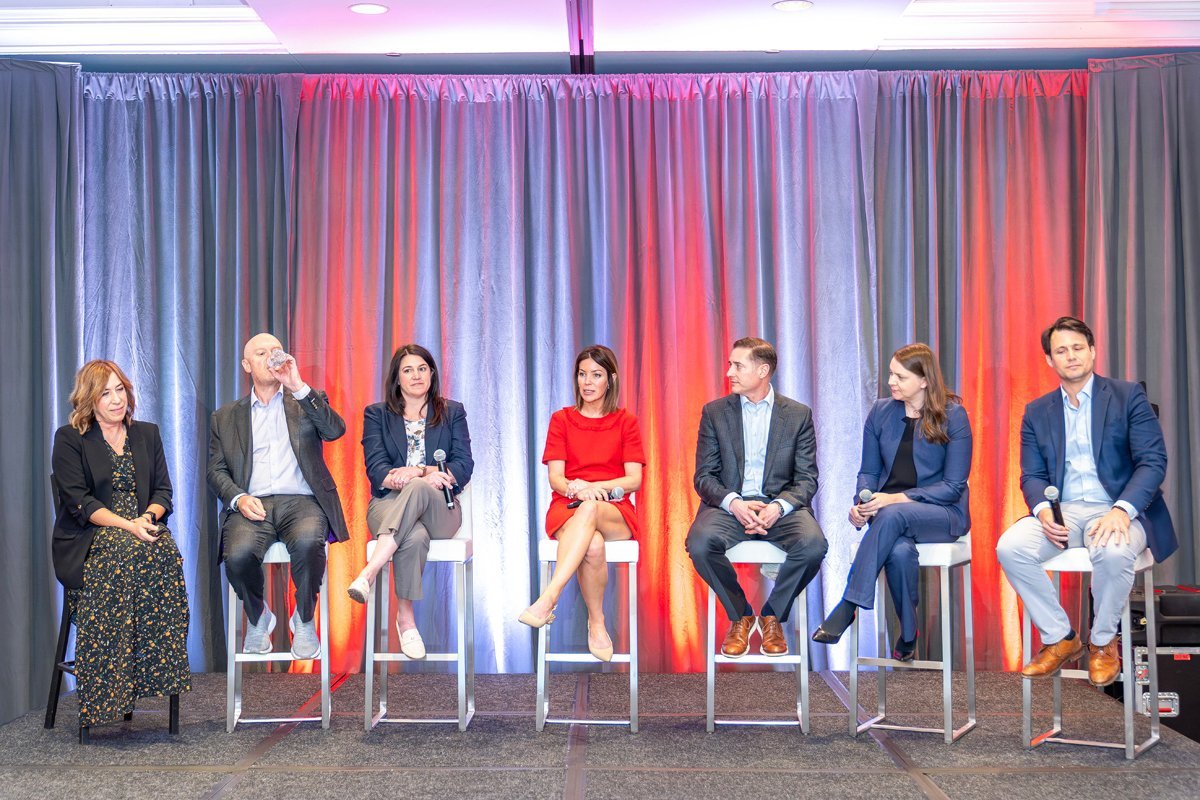
Executives, keynotes, and panel sessions. These frames establish authority and get reused across media, marketing, and personal branding more than anything else from the event. Wide establishing shots plus tight expression work on each speaker.
Audience Engagement and Networking
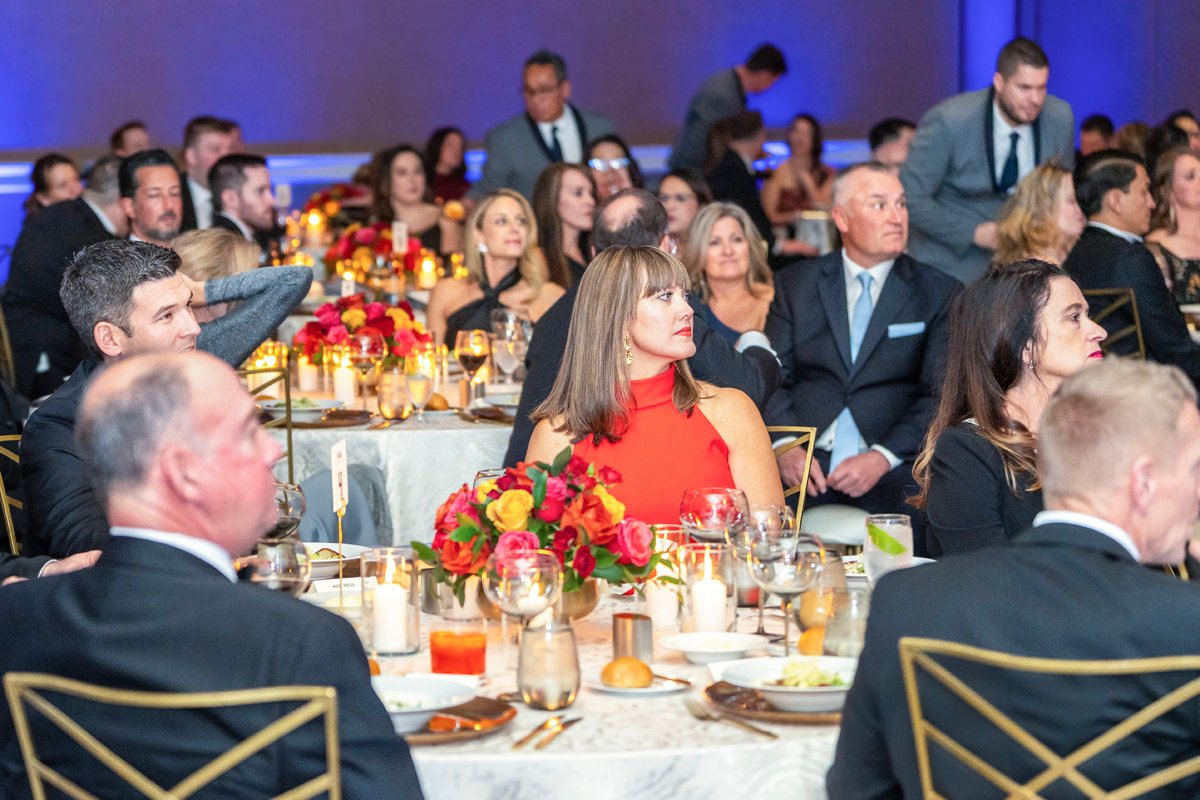
Full rooms, real conversation, and attentive faces. This is what communicates attendance value to sponsors and drives registration for the next cycle. Empty-chair frames get nobody to renew.
Branding and Built Environment
Stage design, signage, sponsor placements, and branded activations photographed cleanly before the room fills. Shoot these during setup — once doors open, clean environment frames are gone.
Awards Galas and Recognition
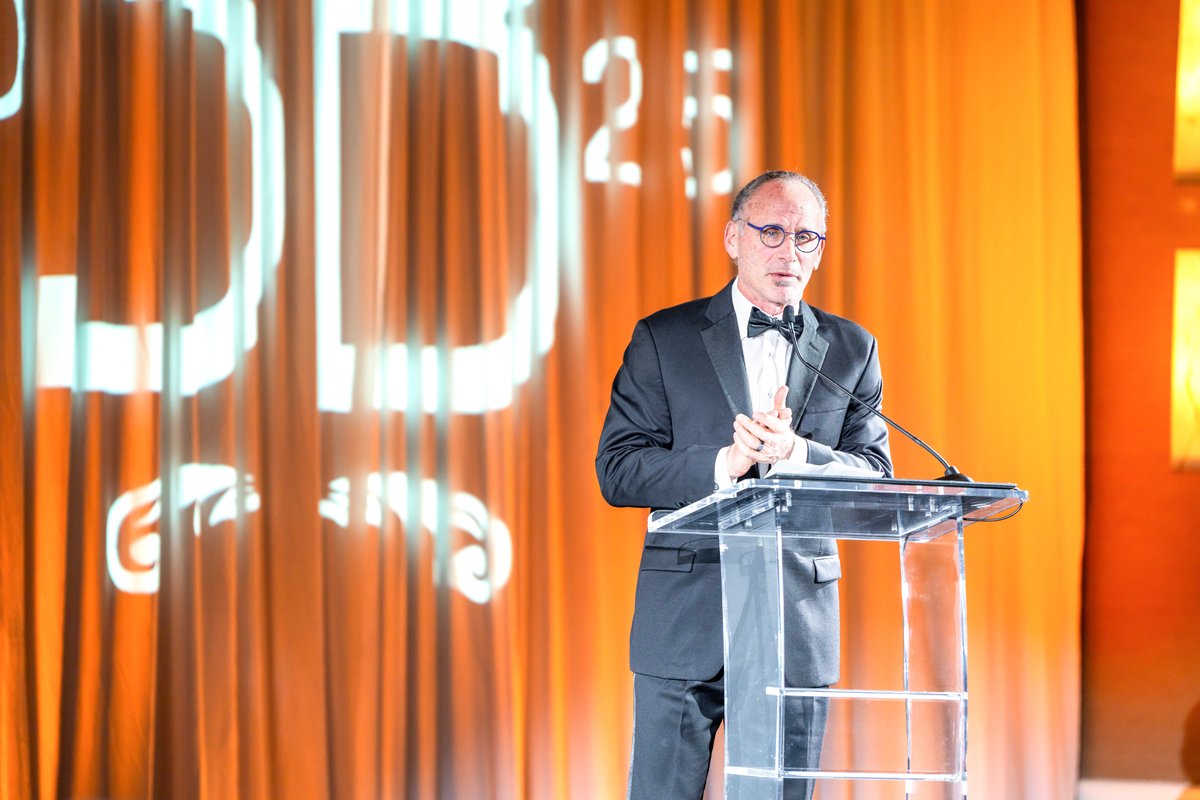
Awards galas and recognition segments compress a great deal of value into a short window. Stage handoffs, reaction shots, and posed winner frames all need to be planned rather than improvised.
Exhibit Floor and Sponsor Activations
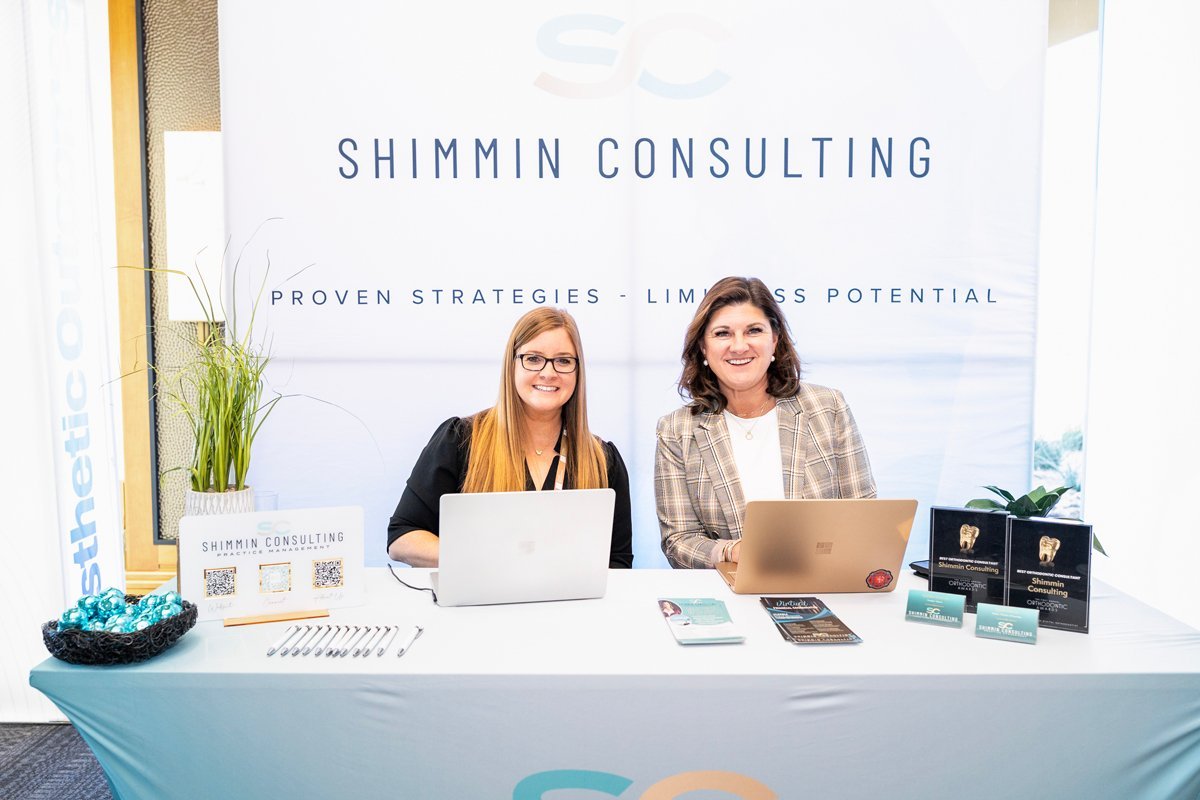
Booth builds, demonstrations, and staff interaction. Sponsors and exhibitors both need this for internal reporting, and it is the coverage most often underscoped.
Headshots During the Event
Many organizations run executive or attendee headshots alongside the program. Everyone is already dressed and on site, which makes it the most efficient window you will get all year.
Before the Event
Convention Photography Planning Checklist
Coverage quality is mostly determined before anyone picks up a camera. Work through these with your photographer two to three weeks out.
Name the priority moments
Not “cover the conference” — a specific list. Which keynote, which award, which executive, which sponsor activation. Ambiguity is what produces galleries nobody uses.
Share the run-of-show
The actual document, not a summary. Photographers plan positioning off transitions, and a five-minute award presentation buried on page four is exactly what gets missed.
Connect AV and production early
Stage lighting levels, LED wall brightness, and camera positions all need to be agreed before doors. A photographer discovering the lighting plan on the day has already lost the first session.
Confirm sponsor obligations
Contracted sponsor deliverables are the easiest coverage to forget and the most expensive to miss. Get the list in writing before the event, not after.
Set the flash policy
Most conferences prohibit camera flash during general sessions, and rightly so. Confirm it in advance and confirm your photographer’s low-light capability, because that constraint decides who can actually do the job.
Agree deliverables and timing in writing
Image counts, turnaround windows, usage rights, and file formats. A gallery that arrives three weeks later has missed every window that mattered.
Execution
Lighting, AV Coordination, and Multi-Day Strategy
Working Alongside Planners and AV
Large conventions run on coordination. A photographer who understands stage cues, presentation timing, and speaker movement gets the frame without stepping into a camera line or a sightline.
The practical test is whether they can work an event without being managed. A photographer who needs directing during a live keynote is a cost, not a resource.
Lighting and Venue Conditions
Convention environments stack every difficult condition at once: dark ballrooms, blown-out LED walls, mixed color temperatures from house and stage lighting, and speakers who do not stand still.
With camera flash off the table during sessions, this comes down to fast glass, clean high-ISO performance, and a photographer who can hold consistent color across a room lit by four different sources.
Multi-Day Coverage Strategy
Multi-day conventions need structured scaling: concurrent breakouts require concurrent shooters, and one photographer cannot cover three rooms running simultaneously.
Rolling delivery matters just as much. Waiting for day three to publish day one wastes the two days when interest was highest.
Adding Video Coverage
Recap films, session recordings, and short-form social cuts extend the event’s reach considerably. Booked as one integrated crew, photo and video never compete for the same position.
Selection
Choosing a Convention Photographer
Not every skilled photographer is equipped for a convention floor. Weigh candidates against these and the field narrows quickly.
Conference-Specific Experience
Ask for multi-day conference galleries specifically, not a general event portfolio. The formats are not interchangeable.
Low-Light Capability
Ask to see ballroom and stage work shot without flash. This is the single most common failure point in convention coverage.
Committed Turnaround
A number in the contract, not a range in conversation. Event imagery depreciates by the day.
Team Scalability
Concurrent sessions need concurrent shooters, and a body failing mid-keynote needs an immediate answer. Bench depth is not optional at scale.
Clear Usage Rights
Full commercial rights by default. Discovering a paid-media restriction months later is an avoidable problem.
Discretion on the Floor
Present enough to get the frame, invisible enough that attendees forget they are being photographed. That balance is learned, not claimed.
Los Angeles & Orange County
Convention Photography in Southern California
Los Angeles and Orange County host some of the largest conferences and leadership summits in the country, from the Anaheim Convention Center to the coastal resort properties in Dana Point and Newport Coast. Elevation covers event photography for conventions across both markets and nationally for multi-day productions.
Photography starts at $245 per hour and videography at $345, with a two-hour minimum and full commercial usage rights included. Edited highlights arrive within 24 hours; the complete gallery follows within one week, delivered on a rolling basis for multi-day programs.
See real conference work in our corporate event photography portfolio, or browse more planning resources in our corporate event photography articles.
Frequently Asked Questions
How many photographers does a convention need?
One photographer covers a single-track program of up to roughly 300 attendees. Add a second for concurrent breakout sessions, and a third once you are running three or more rooms simultaneously or adding a headshot station.
Can you photograph without flash during sessions?
Yes, and it is standard practice. No camera flash is fired during general sessions or keynotes. Coverage relies on fast lenses and high-ISO capability, which is why low-light performance should be part of how you evaluate any convention photographer.
How quickly can we publish images from day one?
Edited highlights from each day are delivered within 24 hours, so your communications team publishes while the program is still running. The full gallery follows within one week.
What should we send the photographer before the event?
The full run-of-show, a named list of priority moments and people, contracted sponsor deliverables, venue and AV contacts, and the flash policy. Those five inputs determine most of the outcome.
Can headshots run during the convention?
Yes. A mobile studio positioned near registration or in a break area photographs eight to fifteen people per hour. Since attendees are already dressed and on site, it is the most efficient headshot window most organizations get.
How much does convention photography cost?
Established Southern California studios generally run $280 to $450 per hour. Elevation starts at $245 per hour with a two-hour minimum, including full commercial usage rights. Multi-day programs are quoted as a package based on crew size and deliverables.
Convention & Conference Coverage
Planning a Convention or Conference?
Send your dates, venue, and run-of-show. We will return a coverage plan and itemized quote within 24 hours.
Explore More
Corporate Coverage Across Southern California